India has emerged as one of the world’s most reliable hubs for garment and denim manufacturing. From sourcing premium fabrics to delivering finished jeans that meet market demands, the manufacturing process is both detailed and quality-driven. At Navjot Garments, this process has been refined over decades to ensure durability, comfort, and consistent value for retailers and wholesalers across India.
This blog takes you through the complete journey of how quality jeans are manufactured—from raw denim fabric to a ready-to-sell product.
The foundation of a good pair of jeans lies in the fabric. Denim quality directly affects fit, comfort, durability, and overall appearance. Manufacturers carefully choose denim based on:
Fabric weight (light, mid, or heavy denim)
Cotton blend and yarn quality
Color fastness
Shrinkage control
Texture and stretch requirements
At Navjot Garments, fabric selection is aligned with current market trends and customer preferences, ensuring the final product suits both retail and wholesale demand.
Once the fabric is finalized, the next step is pattern making. Patterns define the shape, fit, and measurements of the jeans. This stage ensures consistency across sizes and batches.
Design planning includes:
Fit types (regular, slim, relaxed)
Waist rise and leg opening
Pocket placement
Stitch detailing
Accurate patterns help reduce fabric wastage and maintain uniform quality across production.
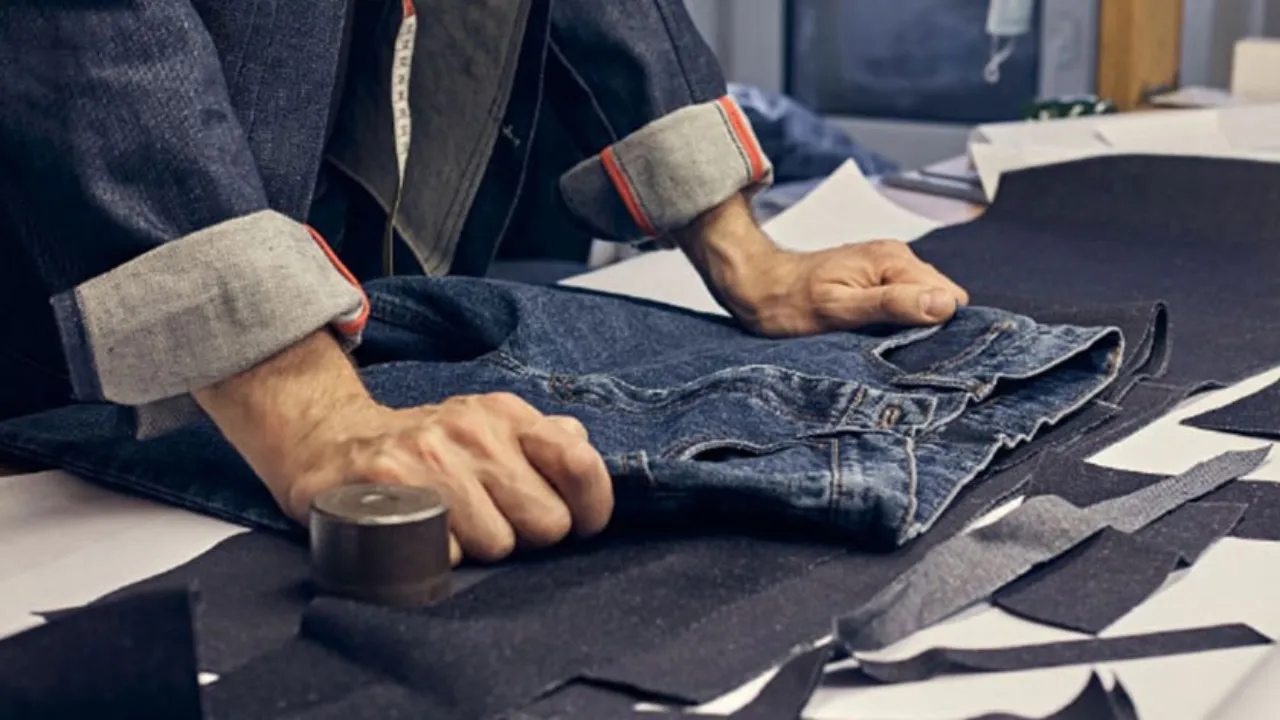
Fabric cutting is a critical step that requires accuracy and skilled handling. Multiple layers of denim are cut together using predefined patterns to ensure efficiency and uniformity.
Proper cutting ensures:
Correct sizing
Clean edges
Minimal fabric loss
Smooth stitching in later stages
This step sets the stage for a seamless stitching process.
Stitching transforms cut fabric pieces into a wearable garment. High-quality stitching improves strength, shape retention, and longevity.
Key stitching elements include:
Strong seams using industrial-grade threads
Reinforced stress points
Neat finishing on pockets and waistbands
Consistent stitch density
Experienced tailors and quality machines play a major role in maintaining production standards at this stage.
Washing gives jeans their final look, feel, and comfort. Different washing techniques are used depending on style requirements, such as:
Normal rinse wash
Enzyme wash
Softener wash
Stone or faded effects (where applicable)
Finishing also includes trimming loose threads, checking for defects, and shaping the garment properly.
Before packaging, each batch goes through a strict quality control process. This ensures that every pair of jeans meets the brand’s standards.
Quality checks focus on:
Stitch strength
Size accuracy
Fabric defects
Color consistency
Overall finish
Only approved pieces move forward for packing and dispatch.
Final products are folded, tagged, and packed according to retailer or wholesaler requirements. Proper packaging helps protect garments during transport and ensures easy handling for buyers.
With an efficient supply network, manufacturers like Navjot Garments are able to serve multiple states across India with timely delivery.
With decades of experience since 1995, Navjot Garments understands the importance of consistency, pricing, and long-term reliability. Manufacturing jeans is not just about production—it’s about understanding market needs and delivering value at scale.
From fabric selection to final inspection, every step is designed to meet the expectations of today’s garment buyers.
Quality jeans manufacturing is a blend of skilled craftsmanship, modern processes, and market insight. When done right, it results in products that retailers trust and customers return for.
As the Indian garment industry continues to grow, experienced manufacturers remain key contributors to reliable and sustainable fashion supply chains.


 Chat Now